If you’ve ever wondered what dental scaling is, it’s simply one of the most effective ways to keep your gums healthy and your smile bright. While daily brushing keeps your mouth fresh, scaling goes deeper to protect you from gum problems, bad breath, and tooth loss. Knowing what dental scaling is and how it works can help you feel confident before booking your appointment.
Also Read: Breaking Down Dental Crowns: Benefits, Types, and Procedure
What Is Dental Scaling?
Dental scaling is a professional cleaning procedure designed to remove plaque and tartar (hardened plaque) from your teeth and below the gumline. This treatment goes beyond regular cleaning that brushing and flossing can’t remove. Scaling targets deep deposits that contribute to gum disease.
So, who needs dental scaling?
- Patients with early gum disease (gingivitis) or advanced gum disease (periodontitis).
- People who experience chronic bad breath caused by bacteria buildup.
- Those with visible tartar deposits or stains that regular cleaning can’t remove.
- Individuals with gum inflammation, bleeding when brushing, or gum recession.
Depending on oral hygiene and habits, teeth scaling results typically last 6–12 months. However, since plaque naturally reforms, dentists typically recommend scaling at least once or twice a year.
The Procedure of Dental Scaling
Dental scaling may sound intimidating at first, but in reality, it is a precise and comfortable procedure. Here’s what typically happens during dental scaling.
1. Initial Dental Examination
Before any treatment begins, your dentist will perform a full oral examination. This often includes:
- Checking your gum condition, including pocket depth measurements to see how far bacteria and tartar have spread.
- Looking for signs of inflammation, bleeding, or gum recession.
- Taking dental X-rays if necessary to evaluate bone health and detect hidden tartar deposits below the gumline.
This diagnostic step is crucial because it allows the dentist to tailor the scaling procedure to your specific needs.
2. Applying Local Anesthetic
In many cases, scaling can be performed without anesthesia, especially if tartar buildup is mild. However, for patients with sensitive gums, deeper tartar deposits, or anxiety about dental treatments, a local anesthetic may be applied to ensure the entire process is pain-free and comfortable.
3. Scaling – Removing Tartar Deposits
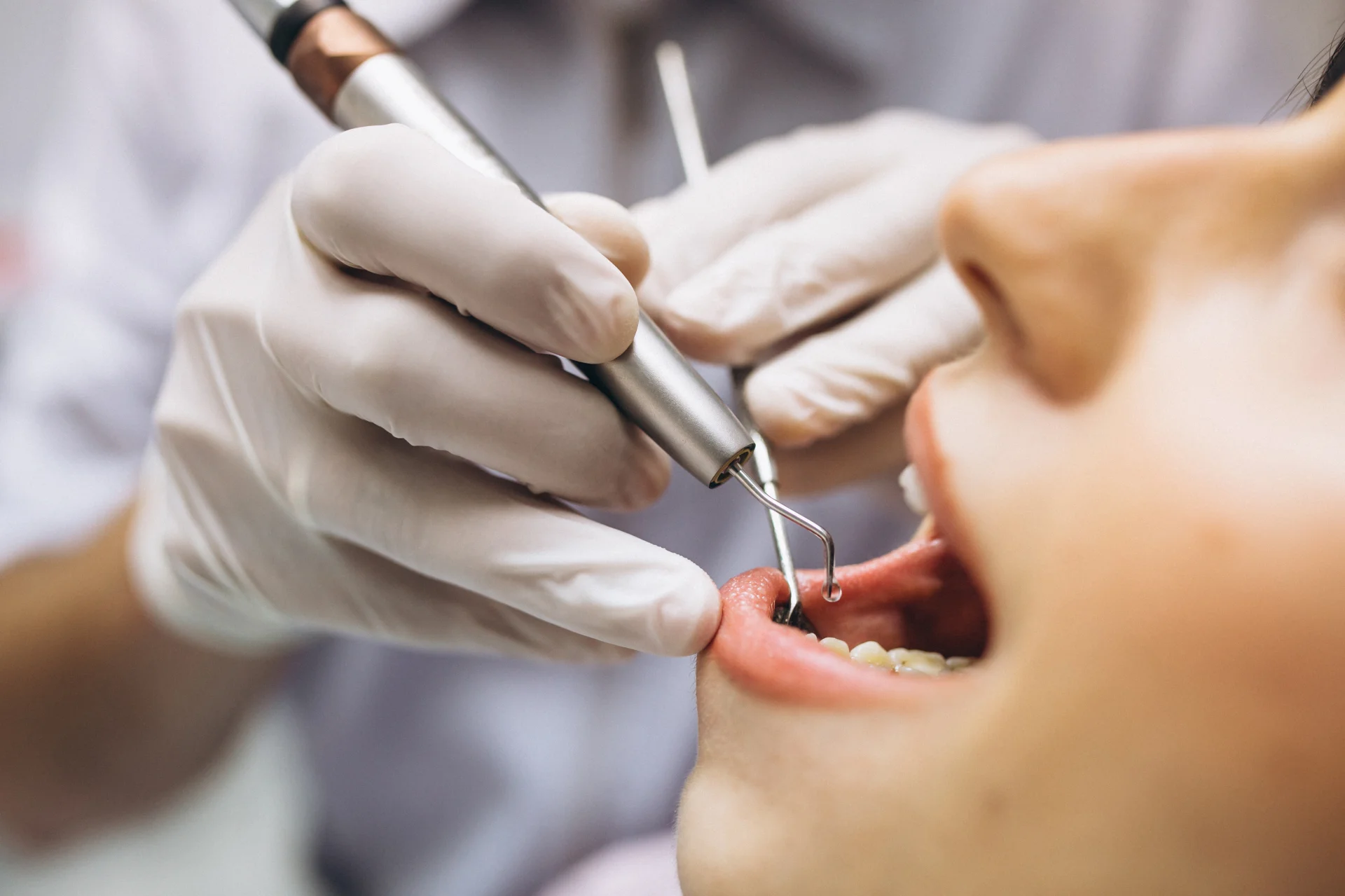
This is the main part of the treatment. Dentists use two types of tools:
a. Ultrasonic instruments
These use gentle vibrations and a stream of water to break apart large tartar deposits quickly and effectively. The water flushes out bacteria and debris from below the gumline.
b. Manual scalers
Fine, hand-held tools are then used to remove smaller deposits that the ultrasonic device may have missed, especially in hard-to-reach areas between teeth.
This combination allows for a thorough cleaning while preserving the natural structure of your teeth.
4. Root Planing – Smoothing the Tooth Surface
After the tartar is removed, the dentist carefully smooths the root surfaces of the teeth. This step is known as root planing. This step is what differentiates scaling from a regular dental cleaning. It addresses not only the surface of your teeth but also the foundation that supports them.
It has two main purposes:
- Encouraging gum reattachment. By smoothing rough spots on the tooth roots, gums can reattach more easily, reducing pocket depth around the teeth.
- Preventing bacterial buildup. A smooth surface makes it harder for bacteria and plaque to accumulate.
5. Polishing and Final Checks
In many clinics, the procedure ends with a gentle polishing of the teeth. This step not only gives your smile a cleaner appearance but also leaves the tooth surface smooth and reduces the chance of plaque reaccumulation.
The dentist may also apply a fluoride treatment to strengthen the enamel and reduce sensitivity after the procedure.
Benefits of Dental Scaling
One of the main reasons people ask what is dental scaling is because they want to know whether the treatment is worth it. Indeed, the benefits are significant. Here are the key benefits.
1. Prevents Gum Disease
Only through scaling can plaque and tartar that irritate the gums and lead to gingivitis or periodontitis be removed.
According to the Centers for Disease Control and Prevention (CDC), nearly 47% of adults over 30 years old suffer from some form of periodontal disease. Thus, scaling is one of the most effective ways to prevent its progression.
2. Removes Stains and Brightens Teeth
Everyday habits like drinking coffee, tea, or wine, as well as smoking, can cause stubborn stains on teeth. Scaling helps polish away these stains, restoring your teeth’s natural brightness without bleaching.
3. Reduces Bad Breath (Halitosis)
Persistent bad breath often comes from bacteria and food debris trapped below the gumline. A study published in the Case Reports in Medicine found that patients who underwent scaling and root planing experienced a significant reduction in halitosis due to the removal of bacterial deposits.
4. Helps Prevent Cavities
Plaque buildup produces acids that erode tooth enamel, then eventually leading to cavities. By removing plaque and tartar, scaling reduces the risk of caries.
5. Improves Gum and Bone Health
Scaling and root planing not only clean teeth but also allow gums to heal and reattach to tooth surfaces. This reduces gum pocket depth and helps stabilize teeth.
The World Health Organization (WHO) emphasizes that untreated periodontal disease can lead to tooth loss, while preventive measures like scaling significantly improve long-term oral health outcomes.
6. Reduces Risk of Tooth Loss
Advanced gum disease weakens the bone and tissue that support your teeth. Scaling prevents this by controlling infection and inflammation.
A systematic review in the Journal of Evidence-Based Dental Practice showed that patients receiving regular scaling were less likely to experience tooth loss compared to those without periodontal maintenance.
7. Contributes to Overall Health
Oral health is closely linked to systemic health. Gum disease has been associated with heart disease, diabetes, and even pregnancy complications. Regular scaling lowers bacterial load and inflammation, which may reduce these risks.
Does Dental Scaling Hurt?
One of the most common questions patients ask is: does dental scaling hurt? The answer is: not usually. You may feel mild discomfort, but anesthesia ensures a mostly pain-free experience. After the procedure, some symptoms are normal, such as:
- Gum tenderness.
- Tooth sensitivity.
- Minor bleeding or swelling.
However, these symptoms usually subside within a few days with proper care.
Do’s and Don’ts After Dental Scaling
Taking care of your mouth after scaling ensures faster healing and long-term results.
Do’s:
- Rinse with warm salt water to soothe gums.
- Brush gently using a soft-bristled toothbrush.
- Drink plenty of water to flush bacteria.
- Follow your dentist’s instructions carefully.
- Maintain consistent oral hygiene to prevent tartar buildup.
Don’ts:
- Avoid smoking or alcohol for at least 24–48 hours.
- Don’t eat hard, spicy, or sticky foods immediately after.
- Don’t brush or floss aggressively.
- Avoid very hot or cold foods if sensitivity occurs.
Also Read: Porcelain Veneers: Everything You Need to Know
What Is Dental Scaling, and Why BIA Bali Is the Best Choice
By now, you understand what dental scaling is. It is a vital procedure to protect your gums, freshen your breath, and keep your smile healthy. Thus, choosing the right clinic is just as important as the treatment itself.
If you live in Bali or are visiting for a holiday, it’s worth investing in premium dental care to ensure your oral health stays at its best. At BIA Dental Center Bali, we combine advanced technology with a team of skilled specialists who prioritize your comfort at every step. Even patients with dental anxiety can undergo scaling or extractions with confidence.
Ready to take the next step toward healthier teeth and gums? Contact BIA Dental Center today and book your appointment easily via WhatsApp.