A dental crown is a reliable solution for restoring damaged or weakened teeth. Not only does it strengthen the tooth, it also improves its appearance, offering both function and aesthetics. Therefore, many patients choose dental crowns as a long-lasting treatment for their oral health needs.
Moreover, this type of dental care is suitable for various situations, such as broken teeth from accidents or those weakened after root canal therapy. When fillings are insufficient, dentists often recommend crowns. Consequently, they provide an ideal balance of durability and a natural-looking smile.
Read Also: Porcelain Veneers: Everything You Need to Know
What are Dental Crowns?
A dental crown is a cap placed over a tooth to restore its strength, shape, and appearance. It blends naturally with surrounding teeth and protects the visible part above the gum line. Thus, it serves as a reliable shield for weak or damaged teeth. Additionally, dentists often recommend it when fillings are not enough.
Moreover, according to Healthline, dental crowns are durable and can last 5 to 15 years with proper care. Brushing, flossing, and regular dental visits help extend their lifespan. Some materials, such as zirconia and porcelain-fused-to-metal, are even longer lasting. They are both a functional and dependable solution.
Beyond protection, crowns also improve the look of stained, uneven, or misshapen teeth. Patients will gain not only healthier teeth but also more confidence in their smiles.
Types of Dental Crowns
There is no one-size-fits-all solution when it comes to dental crowns. Different materials are available, each offering unique advantages depending on the patient’s needs. Below are the most common types of it.
1. Porcelain Crowns
Porcelain crowns are known for their natural appearance, and they would be an excellent choice for front teeth. They mimic the color and translucency of natural teeth, providing a seamless look. However, while aesthetically pleasing, they are slightly less durable than metal-based crowns.
2. Ceramic Crowns
Ceramic crowns combine durability with excellent aesthetics, which makes them highly versatile. They are suitable for both front and back teeth and resist staining better than some other options. Patients often choose ceramic crowns for a balance of strength and appearance.
3. Metal Crowns
Metal crowns, often made of gold, silver, or other alloys, are renowned for their exceptional strength and longevity. They can withstand heavy chewing forces, making them perfect for molars. The main drawback, however, is their metallic appearance, which may not appeal to everyone.
4. Porcelain-Fused-to-Metal Crowns
Porcelain-fused-to-metal crowns offer the best of both worlds: strength from the metal base and a tooth-like appearance from the porcelain coating. They are widely used because they provide durability along with aesthetics. However, sometimes a thin dark line may appear near the gum line over time.
5. Composite Resin Crowns
Composite resin crowns are generally more affordable than other options. They are lightweight and easy to adjust but may wear down faster. Although less durable, they still serve as a suitable temporary or cost-effective solution. Additionally, their aesthetic versatility allows for excellent color matching with natural teeth.
6. Zirconia Crowns
Zirconia crowns are notable for their high durability and biocompatibility. They are resistant to chipping and cracking, one of the strongest options available. Additionally, they can be matched closely to natural teeth, offering both strength and aesthetics.
Step-by-Step Dental Crown Procedure
Getting dental crowns usually involves two visits to the dentist. The first appointment focuses on preparing the tooth and taking impressions, while the second is for fitting the permanent crown. This step-by-step process ensures the crown looks natural and works properly. As a result, patients enjoy both function and comfort.
During the first visit, the dentist carefully examines the tooth, often using X-rays to check its roots and surrounding bone. The tooth is then reshaped by removing part of its outer surface to make space for the crown. After preparation, an impression is taken to design the crown. Then, a temporary crown is placed to protect the tooth.
At the second appointment, the temporary crown is removed and the permanent one is fitted. The dentist checks its alignment and bite to make sure it feels natural. Once the fit is perfect, the crown is cemented securely in place. Patients then can enjoy long-lasting protection and confidence in their smile.
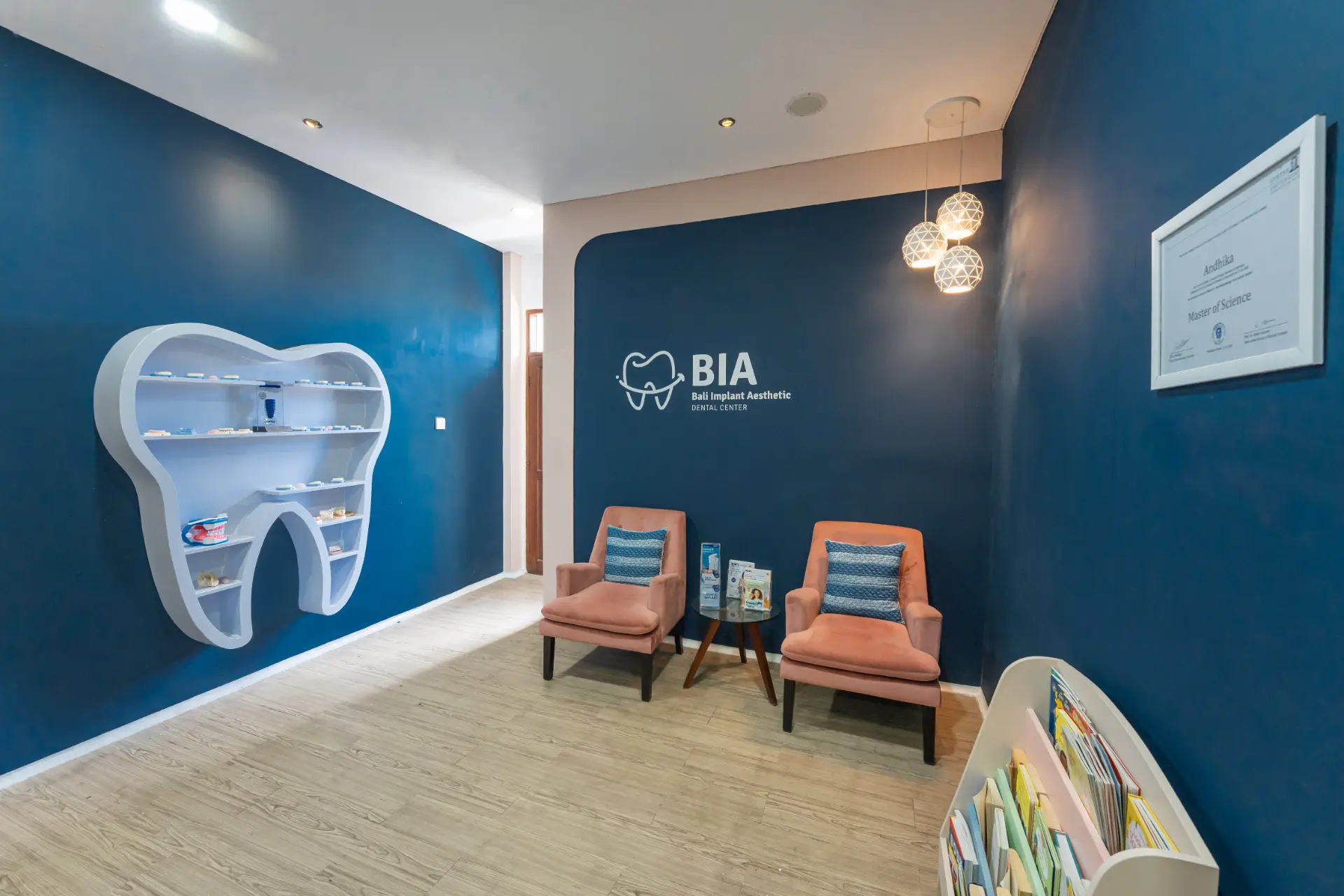
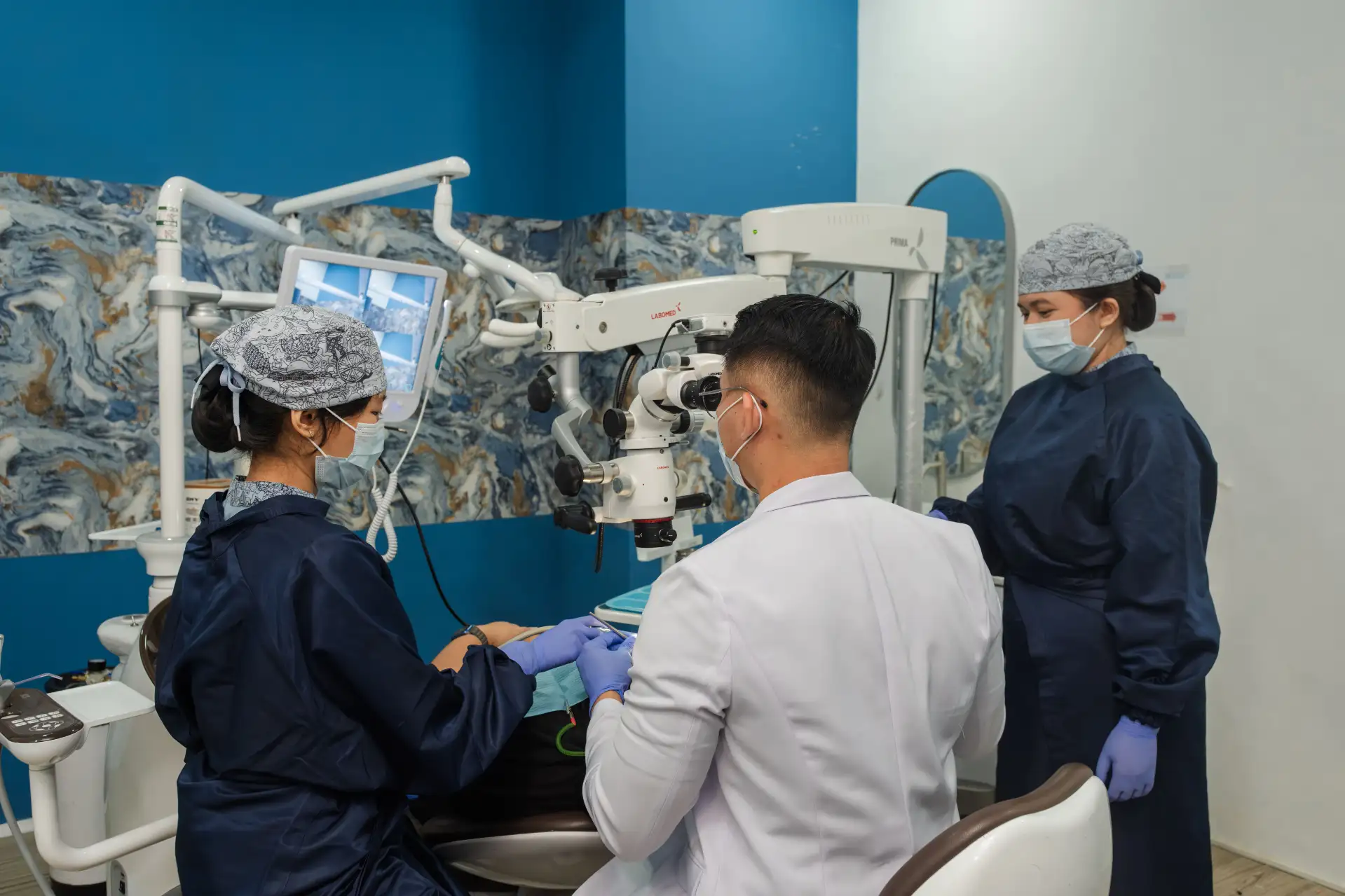
However, not all dental clinics require two separate visits. At BIA Dental Center, patients benefit from advanced technology and an in-house dental lab. This modern approach allows crowns to be designed and made quickly.
With same-day crowns, the dentist takes digital impressions and creates the crown in about 1–2 hours. The entire process, from preparation to placement, can be finished in as little as 4 hours. Thus, patients leave the clinic with a fully restored tooth the very same day.
Benefits of Dental Crowns
Dental crowns offer numerous benefits that go beyond just restoring a tooth. They also provide protection, functionality, and improved aesthetics.
- Protects and strengthens weak teeth: crowns shield vulnerable teeth from further damage, especially after root canals or large fillings.
- Improves the appearance of discolored or misshapen teeth: they enhance your smile by covering imperfections.
- Better chewing and speaking: restoring the proper shape and size of teeth improves bite function and makes speaking more natural.
Possible Complications of Having a Dental Crown
While dental crowns are generally safe and effective, some complications may occur. Awareness of these issues helps patients take proactive care of their crowns.
- Discomfort or sensitivity: some patients may experience temporary sensitivity after placement.
- Chipped crown: porcelain crowns may chip if subjected to excessive force.
- Loose crown: sometimes the cement holding the crown in place can weaken.
- Crown falls off: poor fit or weak bonding can lead to crown dislodgement.
- Gum disease: poor hygiene around crowns can cause gum inflammation.
- Dark line next to the gum line: often seen in porcelain-fused-to-metal crowns.
- Allergic reaction: rare but possible with certain metal alloys.
How to Maintain the Dental Crown in Good Condition
Proper care can significantly extend the life of your dental crown. Follow these tips to ensure they remain functional and attractive for many years!
- Brush twice daily and floss carefully around the crown to prevent decay and gum disease.
- Biting on ice, hard candies, or nutshells can damage crowns, especially porcelain ones.
- If you grind your teeth at night, a night guard will protect your crown from wear.
- Routine check-ups allow your dentist to monitor the crown’s condition and catch problems early.
- Do not use your crowned teeth to open packages or bottles, as this may crack the crown.
Also Read: Dental Bridges vs Implant: Which One is Right for You?
Protect Your Teeth for Years Ahead with Dental Crowns
In conclusion, a dental crown is a reliable solution for restoring damaged, weakened, or cosmetically imperfect teeth. Patients can find the right fit for the crown types since the options vary. Moreover, long-term success depends on both proper care and professional treatment.
Furthermore, choosing the right clinic is very important in achieving the best results. At BIA Dental Center, patients benefit from advanced technology and modern facilities. In fact, same-day dental crown services make the process faster and more convenient.
Therefore, if you are considering enhancing your smile with a dental crown, BIA Dental Center is here to help. With expert dentists and multiple material options, your smile is in safe hands. Simply contact BIA via WhatsApp to book your appointment!